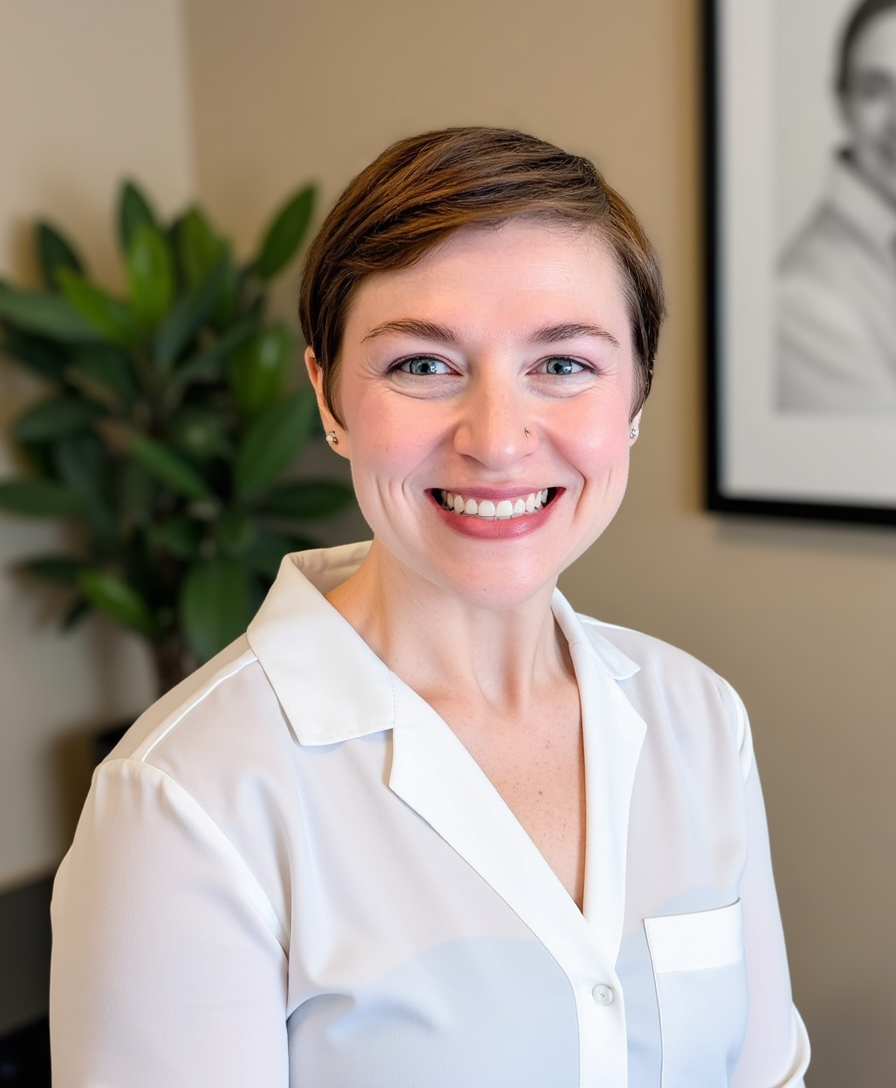
I’m Stacy. Glad you found your way here, where you don’t have to have it figured out.
I’m a trauma-informed therapist, advocate, and creator of clinical tools. Clients tell me they appreciate that I’m straightforward, that I show up as a real person, and that I don’t candy-coat things. I believe that honesty and warmth aren’t opposites. Done right, they’re the same thing.
Who I work with (the short list):
Teens and adults
Couples and partners, in all relationship structures
LGBTQ+ folks, including trans and nonbinary people
Neurodivergent people, including ADHD, autistic, and AuDHD folks
BIPOC clients and anyone navigating racism or cultural pressure
Women navigating misogyny and men unlearning what they were taught manhood requires
People with disabilities or chronic illness
People of any faith, no faith, or a complicated relationship with faith
Military and veteran families, first-generation folks, and anyone who has moved through a lot of worlds
Current and former foster youth, adoptees, and kinship families
Foster, adoptive, and kinship parents and caregivers
Why “humorousdelium”
The moment everything shifts.
Delirium is a sudden change in perception, the moment the world you’ve always known starts to look different. For a lot of people, that’s what healing feels like from the inside. You’ve spent your whole life inside a family, a relationship, a community, or a belief system that told you who to be, and then one day a thought slips through: Maybe I don’t deserve this. Maybe I’m not the crazy one.
That moment can make you laugh. It can make you cry. Usually it does both. And later, when you look back at everything you came through, sometimes you have to laugh so you don’t cry. That’s the humorous delirium, and it’s the work I love most.
How I work
What therapy with me looks like
My approach is integrative and trauma-informed with an intersectional lens on everything. In plain language: I get curious about where your patterns started instead of judging where they landed. I pay attention to what your body is telling you, not just your words. And I take seriously how misogyny, racism, religion, poverty, and power have shaped what you were taught to accept.
You’ll hear me say “that makes sense” a lot. It’s not a script. It’s usually just true.
What you might be carrying
Trauma and complex trauma (C-PTSD), including childhood, relational, and developmental trauma
Borderline personality disorder (BPD) and intense emotions that feel hard to hold
Sexual trauma and sexual violence
Leaving a high-control group, religious community, or coercive relationship
Rebuilding an identity that was shaped by someone else’s rules
Anxiety, depression, burnout, and the exhaustion of always holding it together
People-pleasing, perfectionism, shame, and the “good kid” role
Family conflict, estrangement, and boundaries
Grief, loss, and big life transitions
Harm you’ve caused and are ready to take honest accountability for
Attachment wounds, placement disruptions, and the impact of growing up in or around the foster care system
The person in the room
I didn’t come to this work in a straight line. I started as a preschool teacher, where I learned that little ones say everything with their behavior long before they have the words. Then I became a foster parent, sharing my home with kids who had already learned that the adults in their lives couldn’t be trusted. They taught me more than any textbook. They taught me that “difficult” is usually another word for “hurting,” and that nothing heals until someone feels safe enough to stop performing.
I also know the moment when the world you were handed stops making sense, because I’ve lived it. That sudden shift, the one where you realize the rules you followed your whole life weren’t actually about your good, is disorienting. It’s also funny, in a way that’s hard to explain until you’ve been through it. Sometimes you laugh so you don’t cry. Sometimes you do both.
That’s what I bring into the room. I’m direct, I’m warm, and I won’t pretend things are fine when they aren’t.
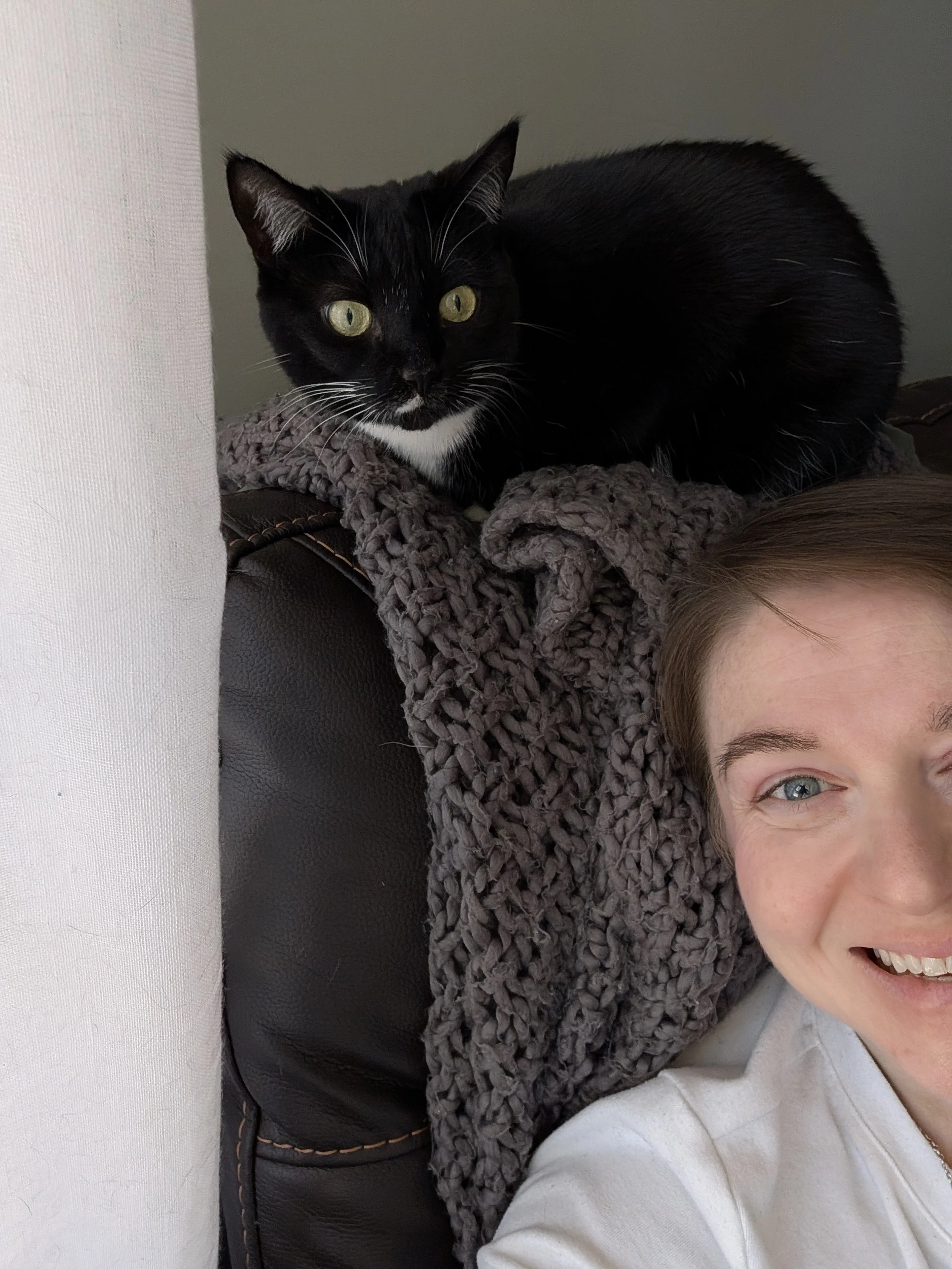
I’m also just a person. I’m a wife and a mom to both humans and furry ones. I fill my home with plants, escape into nature whenever I can, play D&D, binge great and horrible TV, and write fiction because some truths are easier to tell through a story.
When you sit with me, you won’t be fixed, corrected, or rushed.
You’ll be seen.
You’ll be known.
And whatever brought you here, I suspect it makes a lot more sense than you’ve been told.
Ready when you are.
Whether you’re looking for a therapist, a resource for your practice, or a collaborator, reaching out is the hardest part. I’ll take it from there.